
Introduction
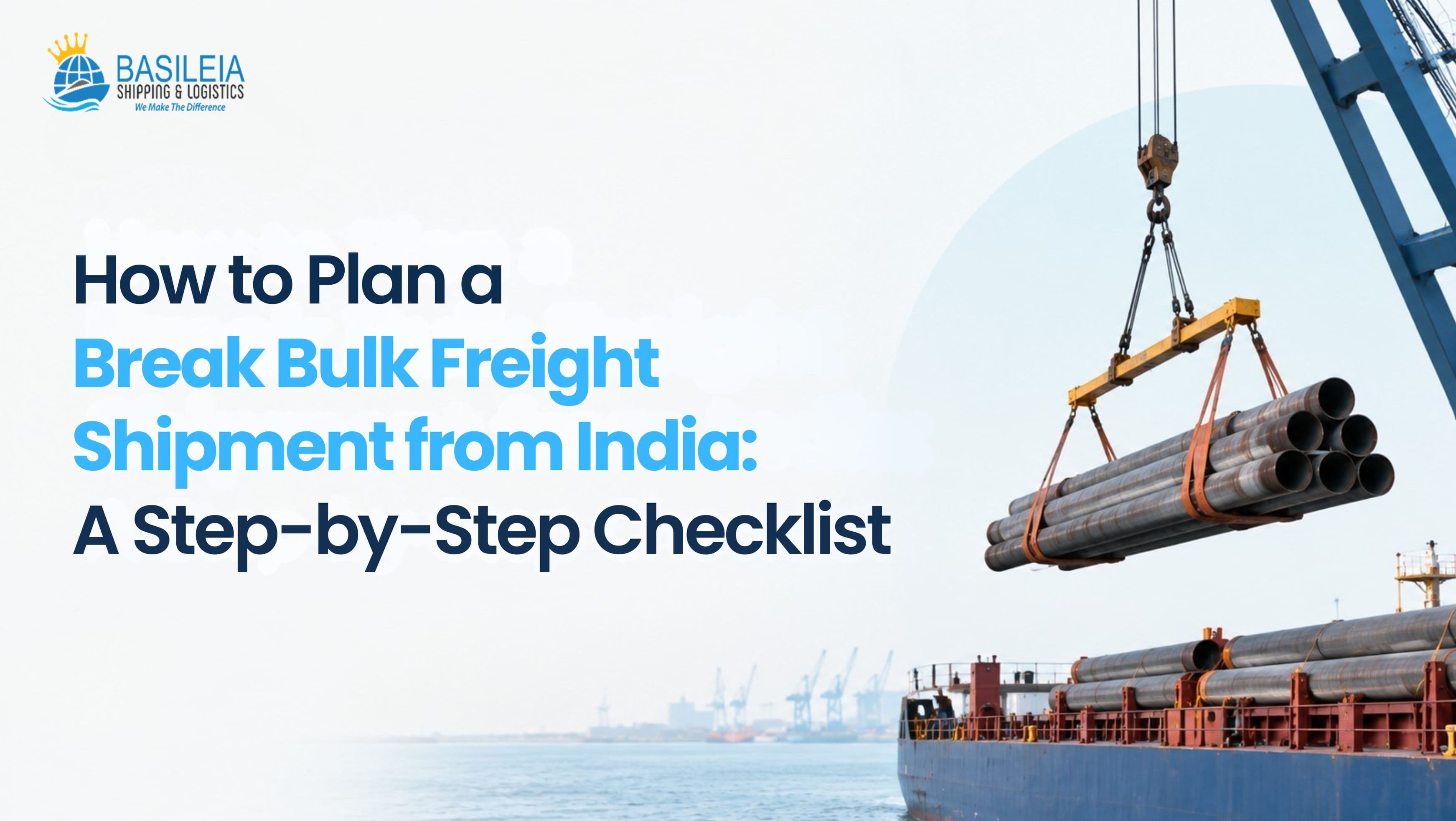
Shipping oversized machinery, heavy equipment, steel products, construction materials, or other large cargo internationally requires more planning than a standard container shipment. When goods cannot be easily packed into containers, break bulk freight becomes a practical solution. From understanding cargo dimensions to selecting the right port and arranging inland transportation, every stage needs careful coordination. Choosing reliable international shipping services can also help businesses manage documentation, port handling, transportation, and delivery more efficiently.
Step 1: Understand Your Cargo Requirements
The first step is to clearly assess the cargo before making any shipping arrangements. Record:
- Cargo dimensions and total weight
- Number of individual pieces
- Packaging and lifting requirements
- Center of gravity for heavy equipment
- Special handling or storage requirements
- Final destination and delivery conditions
This information helps determine the type of vessel, equipment, port facilities, and transportation arrangements required.
Step 2: Choose the Right Shipping Method
Not every oversized shipment requires the same transportation approach. Depending on the cargo, destination, budget, and delivery timeline, businesses may consider different break bulk shipping options.
Heavy machinery, steel structures, industrial equipment, pipes, and project cargo may require individual loading rather than containerization. The shipment should be evaluated based on practicality, safety, cost, and available port infrastructure.
Step 3: Select the Appropriate Indian Port
Port selection can significantly affect both cost and transit efficiency. Consider:
- Availability of suitable berths
- Heavy-lift and crane facilities
- Port handling capabilities
- Vessel availability
- Proximity to the cargo origin
- Inland transportation connectivity
For businesses shipping from South India, ports such as Tuticorin and Chennai may be considered depending on cargo characteristics and destination.
Step 4: Prepare the Required Documents
Documentation should be completed well before cargo reaches the port. Depending on the shipment, documents may include:
- Commercial invoice
- Packing list
- Bill of lading
- Certificate of origin
- Export documentation
- Customs-related documents
- Cargo insurance documents
Working with experienced international shipping services can help businesses identify documentation requirements and reduce the risk of avoidable delays.
Step 5: Plan Cargo Handling and Loading
Break bulk cargo often requires cranes, lifting equipment, slings, forklifts, or other specialized machinery. The loading plan should account for the cargo's weight, dimensions, lifting points, and securing requirements.
Cargo must be properly secured to reduce movement and damage during transportation. Clear communication between the shipper, port operator, freight forwarder, and vessel operator is essential at this stage.
Step 6: Arrange Inland Transportation
The journey does not end when the cargo reaches the destination port. Oversized cargo may require special trucks, permits, route surveys, escorts, or additional handling before reaching the final location.
Reliable road transport logistics can help coordinate the movement between factories, ports, warehouses, and project sites while considering the cargo's size and weight.
Step 7: Build a Realistic Shipping Timeline
A realistic schedule should include time for cargo preparation, documentation, customs procedures, port handling, vessel loading, ocean transit, destination clearance, and final delivery.
Allowing some contingency time is important because port congestion, weather conditions, equipment availability, and customs procedures can affect the overall schedule.
How Basileia Supports Break Bulk Shipments
Basileia Shipping and Logistics helps businesses coordinate complex cargo movements from planning through final delivery. For break bulk freight, the focus is on understanding cargo requirements, coordinating documentation, arranging transportation, and supporting smooth port and shipment operations.
With experience across freight forwarding and logistics activities, Basileia can help businesses approach complex shipments with better planning and coordination. The right combination of break bulk shipping expertise, transportation planning, and international shipping services can make the movement of oversized cargo more organized and predictable.
Conclusion
Planning an oversized shipment requires attention to every stage, from cargo assessment and port selection to documentation, loading, and final delivery. A structured checklist helps businesses identify potential issues before the shipment begins. By working with an experienced logistics partner such as Basileia Shipping and Logistics, businesses can manage break bulk freight shipments with greater confidence, better coordination, and fewer avoidable delays.