
Introduction
Not every shipment can be packed into a standard container. Large, heavy, oversized, or individually handled goods often require a different approach to transportation. This is where break bulk cargo comes into the picture. Unlike containerized shipments, these goods are loaded and unloaded individually, usually using specialized equipment and careful handling procedures. For businesses moving machinery, steel, construction equipment, or other large goods, understanding break bulk shipping is important for planning safe and efficient transportation. A reliable global logistics company can help businesses manage the planning, documentation, handling, and transportation involved in these shipments.
What Is Break Bulk Cargo?
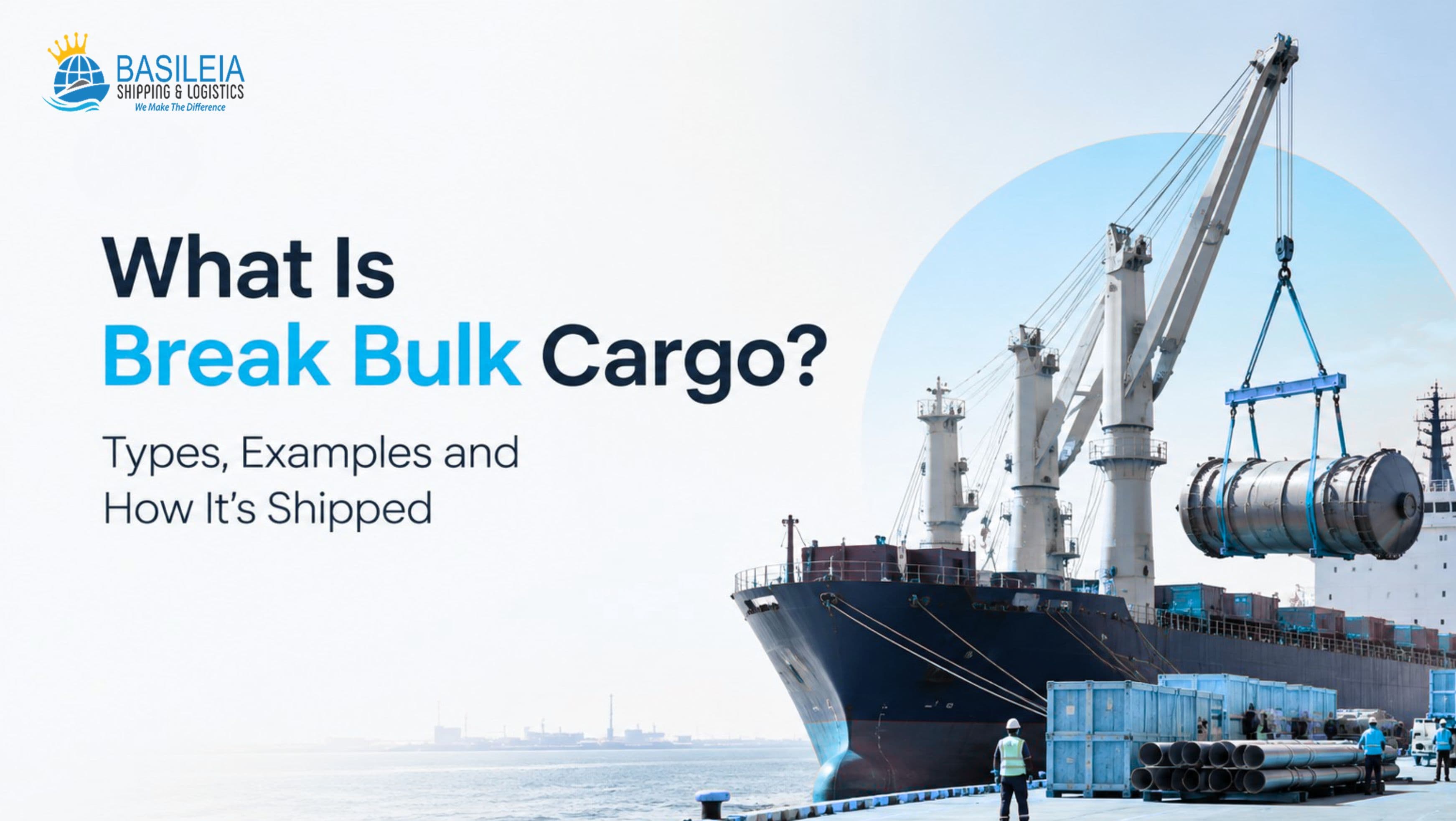
Break bulk cargo refers to goods that are transported as individual units rather than inside standard shipping containers. The cargo is usually packaged, bundled, palletized, or secured separately before being loaded onto a vessel.
Common examples include:
- Industrial machinery
- Steel coils and metal products
- Construction equipment
- Pipes and cables
- Heavy vehicles
- Timber and large equipment
- Project cargo components
Because these goods can vary significantly in size and weight, their handling requirements are different from regular containerized cargo.
Types of Break Bulk Cargo
There are several types of cargo that may be transported using break bulk methods.
Heavy and Oversized Equipment
Large machinery, generators, turbines, and construction equipment may not fit inside standard containers. These shipments require specialized lifting and securing arrangements.
Steel and Metal Products
Steel plates, coils, pipes, beams, and other metal products are commonly moved as individual cargo units. Proper securing is essential to prevent movement during transit.
Vehicles and Industrial Equipment
Large vehicles, agricultural machinery, and industrial equipment can also be transported through break bulk methods when containerization is not practical.
How Break Bulk Shipping Works
The process requires more planning than a standard container shipment. Before the cargo is moved, logistics teams assess its dimensions, weight, packaging, lifting requirements, and destination.
A typical process includes:
- Cargo assessment – Dimensions, weight, and handling requirements are evaluated.
- Route planning – Suitable ports, vessels, and transportation routes are identified.
- Documentation – Shipping and customs documents are prepared.
- Cargo handling – Specialized cranes or lifting equipment may be used.
- Securing and loading – Cargo is positioned and secured carefully for transit.
- Unloading and delivery – Equipment and transport vehicles are arranged at the destination.
An experienced global logistics company coordinates these stages to reduce handling risks and avoid unnecessary delays.
Why Choose Break Bulk Shipping?
Although container shipping is suitable for many products, break bulk transportation can be more practical for certain types of cargo.
Key advantages include:
- Suitable for oversized and heavy goods
- Flexible handling of irregularly shaped cargo
- No need to modify large equipment to fit containers
- Specialized handling for project shipments
- Suitable for large industrial components
However, these shipments require careful planning because loading, securing, port handling, and inland transportation can be more complex.
How Basileia Supports Break Bulk Shipments
Basileia Shipping and Logistics helps businesses coordinate complex cargo movements with practical logistics planning. For break bulk cargo, the team can coordinate transportation requirements, documentation, port handling, and cargo movement based on the shipment's characteristics.
As an experienced global logistics company, Basileia focuses on reliable coordination and efficient cargo handling. This helps businesses manage large or unconventional shipments while keeping safety, timing, and operational requirements in focus.
Conclusion
Break bulk cargo provides an effective transportation option for goods that cannot be easily moved through standard containerized shipping. From heavy machinery and steel products to construction equipment and industrial components, these shipments require specialized planning and handling. With proper route planning, documentation, cargo securing, and coordination, break bulk shipping can support complex international trade requirements. Working with a trusted global logistics company like Basileia can help businesses manage these shipments more efficiently and move specialized cargo with greater confidence.