
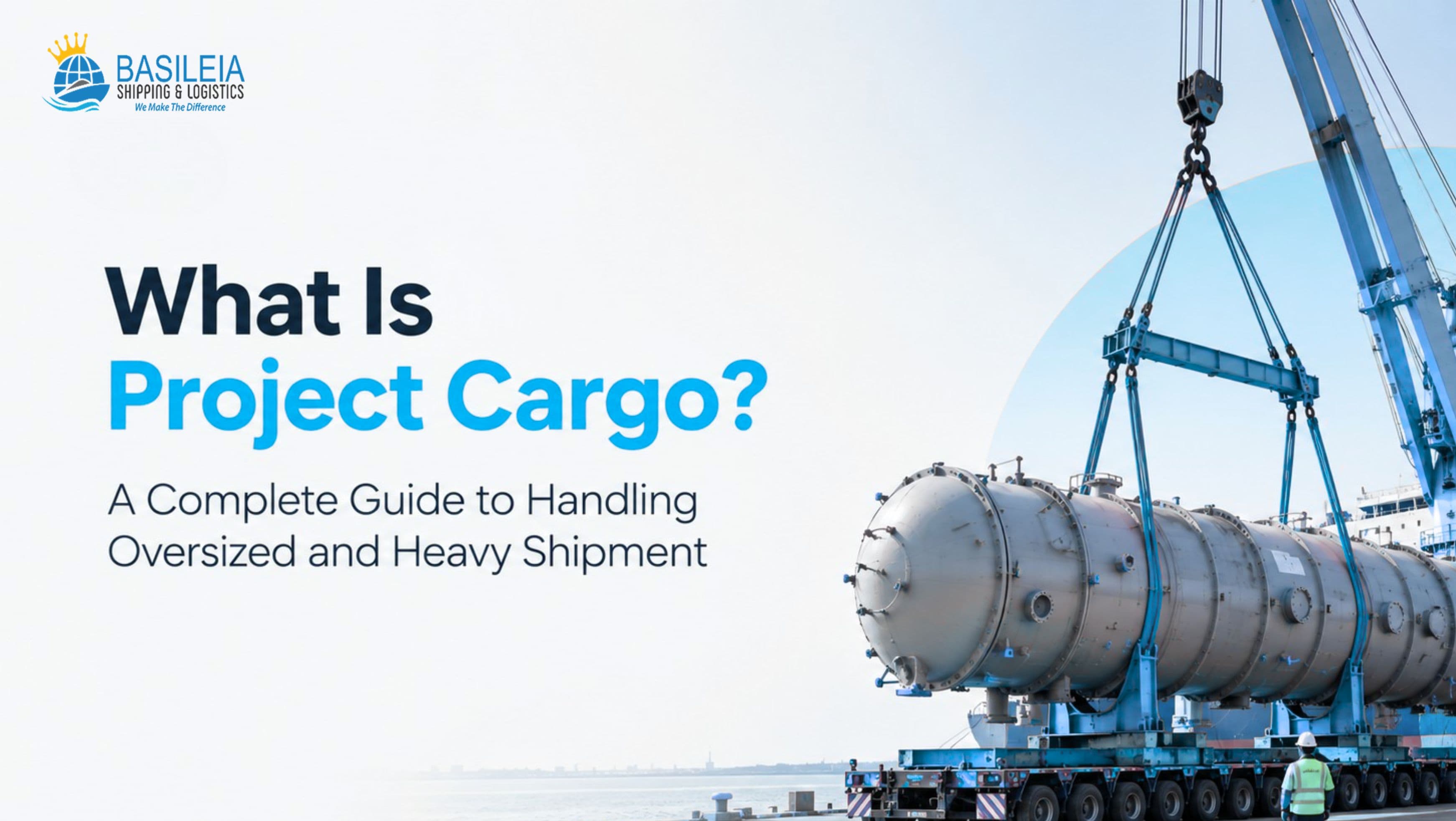
Introduction
Large infrastructure and industrial projects often require the movement of machinery, turbines, generators, construction equipment, steel structures, and other oversized components. These shipments cannot always be handled through standard container transportation. This is where project cargo logistics becomes essential. Moving such cargo requires detailed planning, specialized equipment, suitable transportation routes, and coordination between multiple parties. Businesses working with project cargo freight forwarders can manage these complex movements more efficiently while reducing handling risks and unexpected delays.
What Is Project Cargo?
Project cargo refers to large, heavy, oversized, or complex equipment and materials that require specialized transportation and handling. These shipments are commonly associated with industries such as:
- Construction and infrastructure
- Oil and gas
- Power generation
- Renewable energy
- Mining
- Manufacturing
- Engineering and industrial projects
Examples include wind turbine components, transformers, boilers, generators, industrial machinery, large pipes, pressure vessels, and construction equipment.
Unlike regular shipments, project cargo often involves individual pieces with unusual dimensions or weights. Each shipment therefore requires a transportation plan based on its specific characteristics.
Why Is Project Cargo Different?
The complexity of these shipments comes from more than just their size. A large component may need to travel through roads with height restrictions, narrow routes, bridges with weight limitations, or ports without suitable lifting equipment.
Before transportation begins, logistics teams may need to evaluate:
- Cargo dimensions and weight
- Loading and unloading requirements
- Available port infrastructure
- Road conditions and bridge limitations
- Crane and lifting capacity
- Permits and regulatory requirements
- Delivery location and site access
This makes project logistics significantly different from conventional freight movement.
What Is Heavy Lift Shipping?
Heavy lift shipping is the transportation of exceptionally heavy or large cargo using specialized vessels, cranes, lifting equipment, and handling procedures.
Depending on the cargo, transportation may involve heavy-lift vessels, multipurpose vessels, Ro-Ro vessels, or other specialized equipment. The cargo may also require custom lifting arrangements and detailed securing plans to maintain stability during transportation.
Proper weight distribution and securing are particularly important because improperly handled heavy cargo can create safety risks and cause significant damage.
How Project Cargo Is Planned and Handled
Successful project transportation usually begins months before the actual movement. A typical process includes:
1. Cargo Assessment
The cargo's exact weight, dimensions, lifting points, center of gravity, and packaging requirements are documented.
2. Route Survey
The transportation route is evaluated for road width, bridges, overhead structures, turning points, port access, and other potential restrictions.
3. Transportation Planning
The logistics team determines the most suitable combination of ocean, road, or other transportation methods.
4. Permits and Documentation
Required permits, customs documents, cargo insurance, and other regulatory paperwork are arranged before movement begins.
5. Loading and Securing
Specialized cranes, trailers, lifting equipment, and securing systems may be required to load and stabilize the cargo.
6. Final Delivery
The cargo is transported to the project site and unloaded according to the site's safety and operational requirements.
Role of Project Cargo Freight Forwarders
Project cargo freight forwarders coordinate multiple stages of a complex shipment. Their responsibilities can include carrier selection, route planning, documentation, port coordination, customs procedures, cargo handling, and inland transportation.
For international movements, experienced freight forwarding services can also help connect ocean transportation with road transport and destination delivery requirements.
The advantage of having one logistics partner coordinate these activities is better communication between the different parties involved in the project.
How a Global Logistics Company Can Help
A global logistics company can provide coordination across different countries, ports, carriers, and transportation networks. This is particularly useful when project cargo crosses international borders and involves multiple stages.
For example, an oversized machine may need to move from a manufacturing facility to an Indian port, travel by sea to another country, clear customs, and then continue by specialized road transportation to the project site. Coordinating each stage properly helps reduce delays and unnecessary handling.
How Basileia Supports Project Cargo
Basileia Shipping and Logistics helps businesses coordinate complex cargo movements with a focus on planning, documentation, transportation, and operational coordination.
For project cargo, Basileia can support businesses in managing the different requirements involved in moving oversized and heavy equipment. From transportation planning and port coordination to heavy lift shipping and inland delivery, each stage can be planned around the cargo's specific characteristics.
Conclusion
Project cargo requires considerably more planning than conventional freight because every shipment can have unique dimensions, weight, handling, and route requirements. Proper route surveys, equipment selection, documentation, lifting arrangements, and cargo securing are essential for successful delivery.
By working with experienced project cargo freight forwarders and a reliable global logistics company, businesses can manage complex shipments more effectively. With the right planning and coordination, heavy lift shipping can support the movement of critical equipment for major industrial, infrastructure, and energy projects.